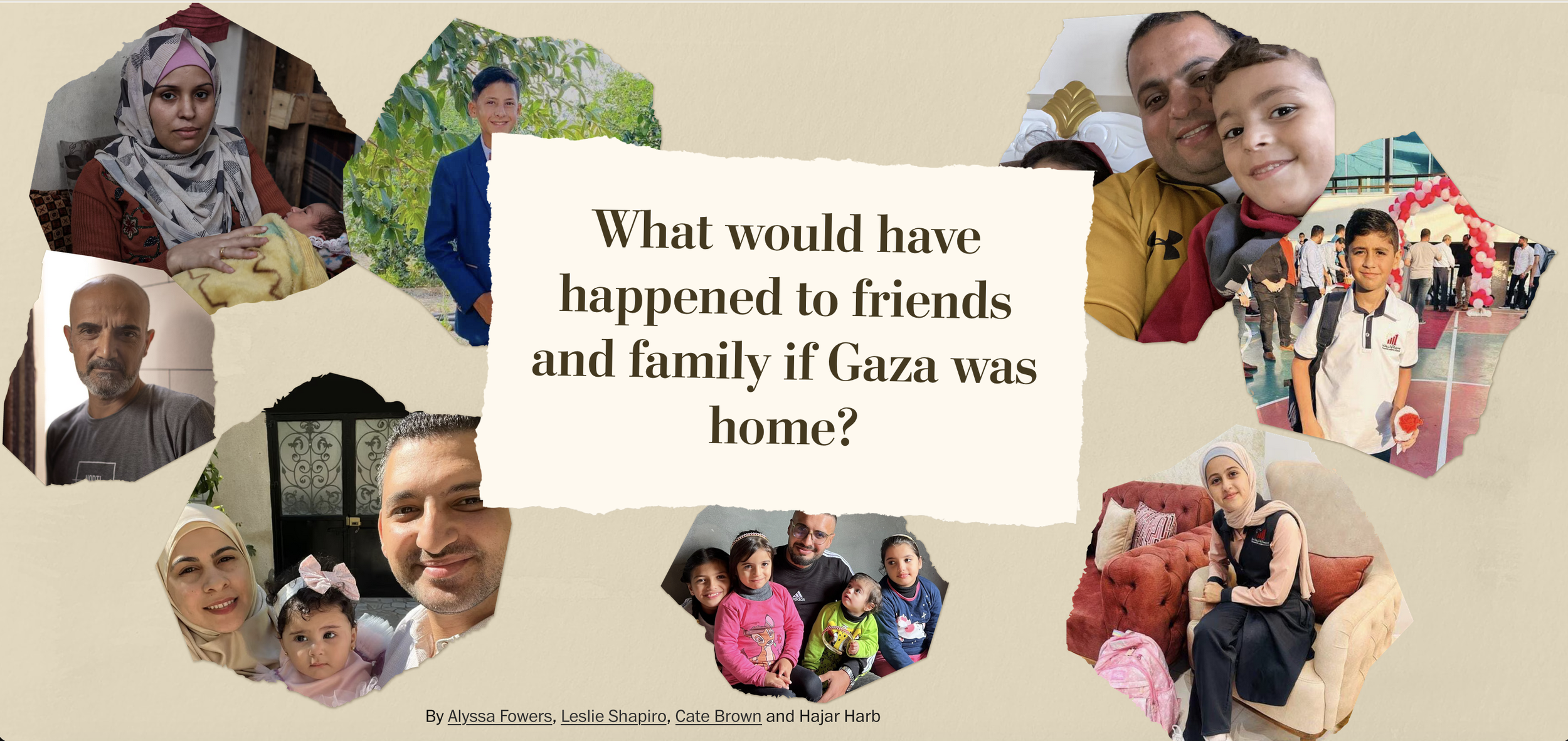
What would have happened to friends and family if Gaza was home?
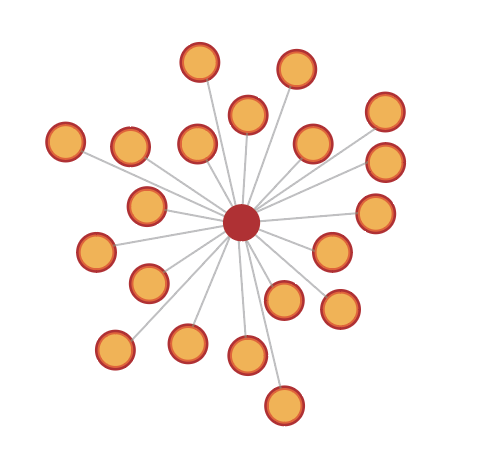
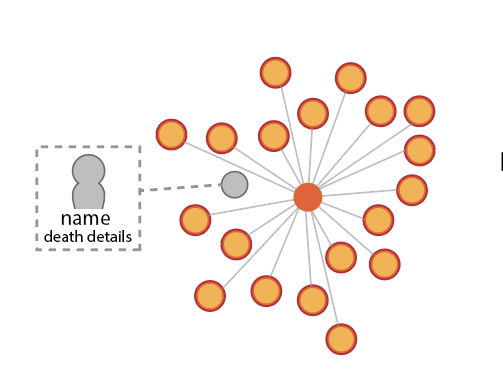
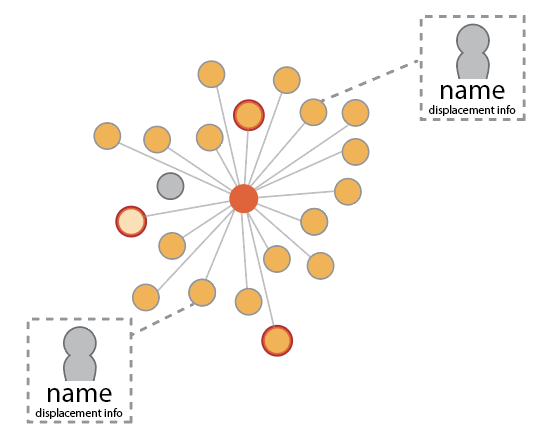
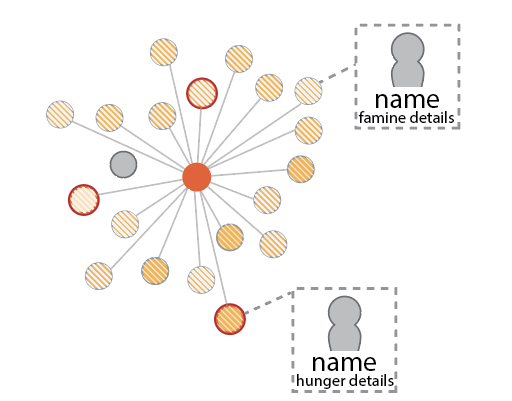
An interactive visualization showing how many people in an American’s social network would be hungry, hurt, displaced or killed if they lived in Gaza during the war.
Award of Excellence from the Society for News Design / reader response TikTok with 372,000 likes / highlighted in The Washington Post’s 2024 year in visuals
Concept and writing by Alyssa Fowers; front-end development and page design by Leslie Shapiro; reporting and research by Alyssa Fowers, Cate Brown, and Hajar Harb
I decided to do this story in early 2024 when I realized that the reported number of 11,000 people killed in Gaza represented one in every 200 people in the enclave. I wanted to show the inescapable scale of the crisis for people in Gaza by showing how that crisis might impact a reader’s social network.
I remembered a study estimating that, on average, Americans knew about 470 people by name. For this piece, I showed what the levels of death, famine, displacement and escape in Gaza would look like in a social network of that size. I introduced Gazans in those situations and invited readers to imagine their own friends, family and neighbors in their place.
Click play to see a screen recording of the interactive portion of the story:
I worked with our international reporters to identify the best sources for most of the numbers in the story. I collected the figures for exits from Gaza myself by combing through daily Telegram posts by the Rafah Crossing Authority and manually transcribing the number of Palestinians leaving Gaza. When a lack of resources inside Gaza made it difficult to connect with new people in specific circumstances, I went through The Post’s photographic archive of the war in Gaza to find subjects of prior reporting who matched our scenarios and had given permission to use their names.
I experimented with showing the death and displacement of Israelis on the October 7 attacks in the story, but found that fewer than 1 in 472 people in southern Israel were in those categories. Rather than leave the visualization blank or use different visualizations for different sides of the war, I decided to focus the story on Gazans.