Senate excludes trillions in debt to make Trump’s tax bill seem cheaper
Writing by Alyssa Fowers; graphics and research by Alyssa Fowers and Hannah Dormido
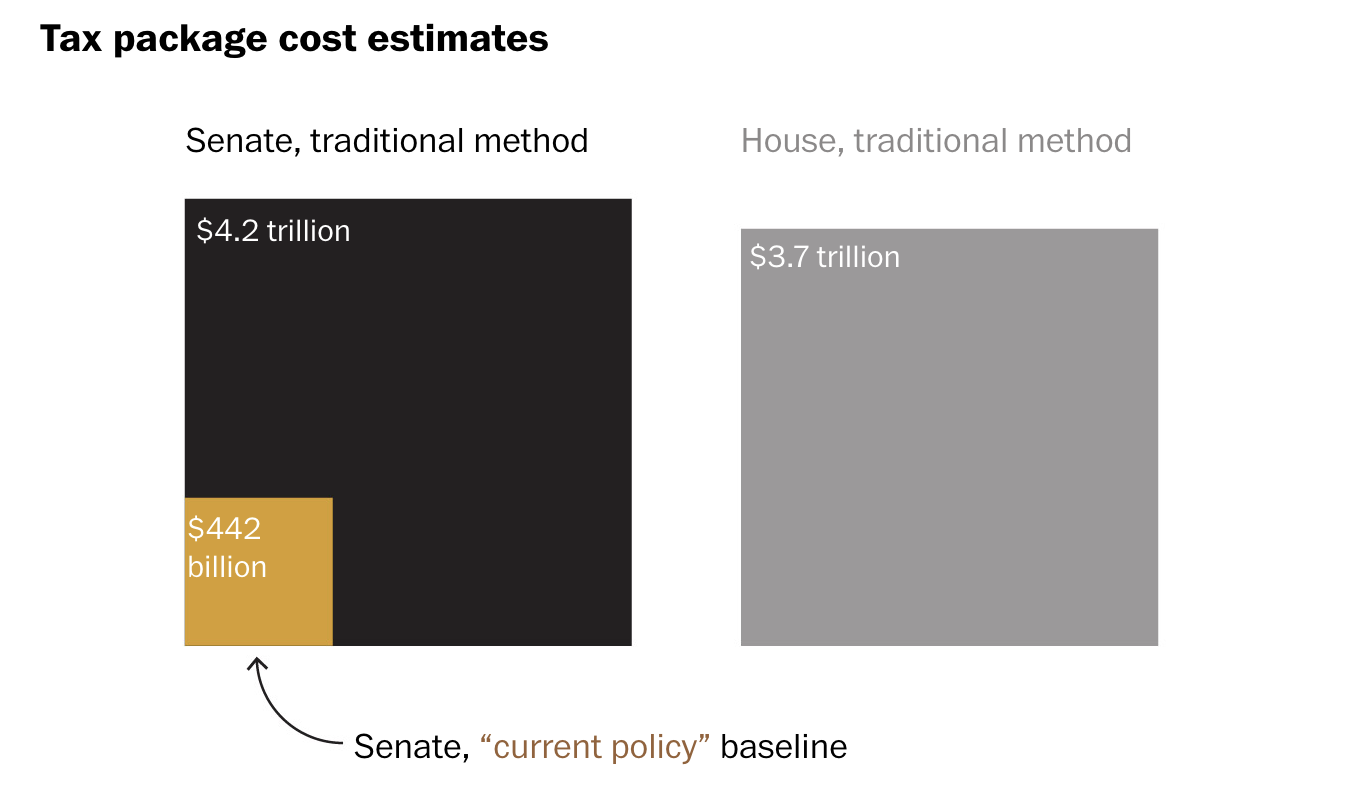
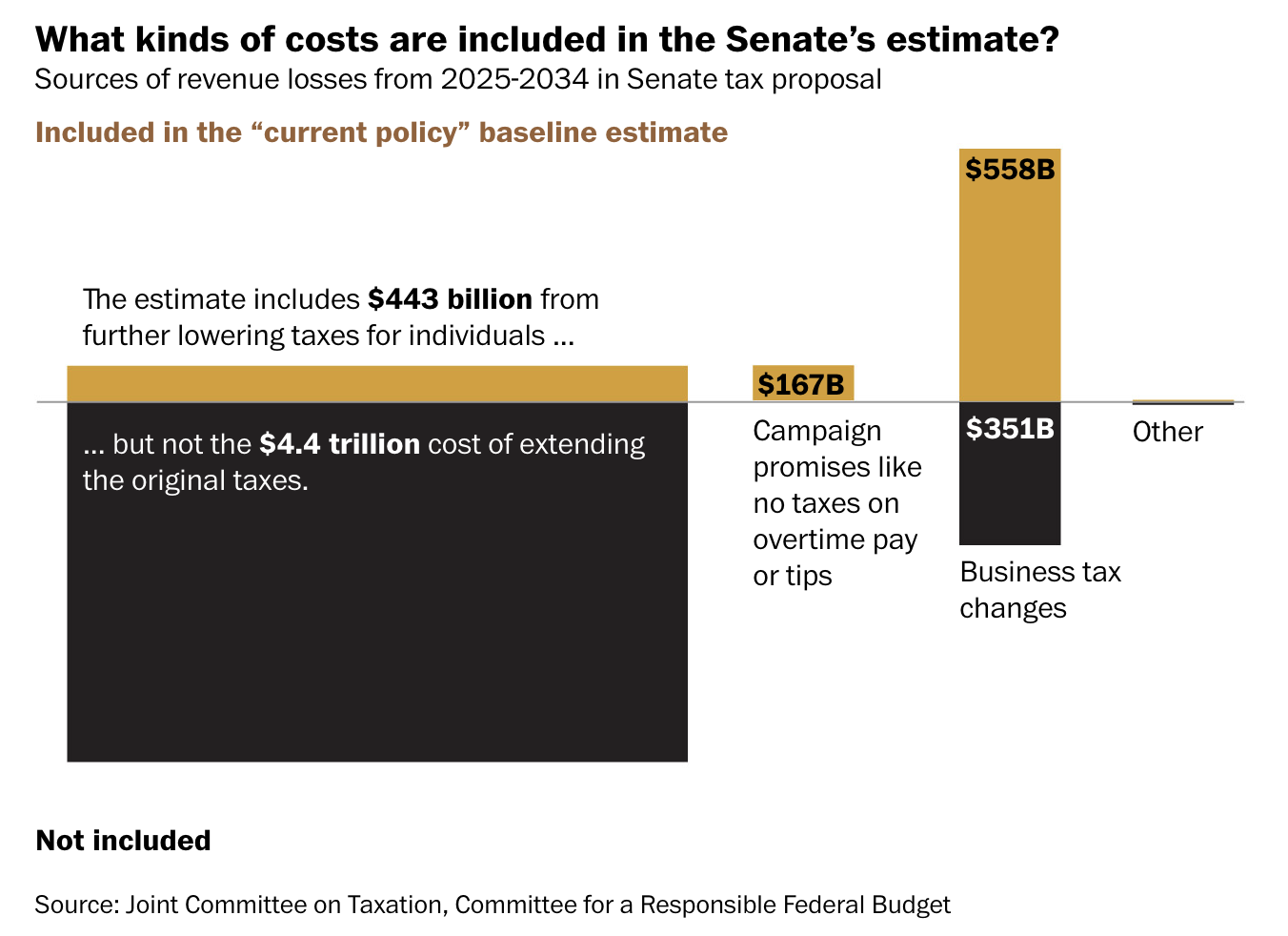
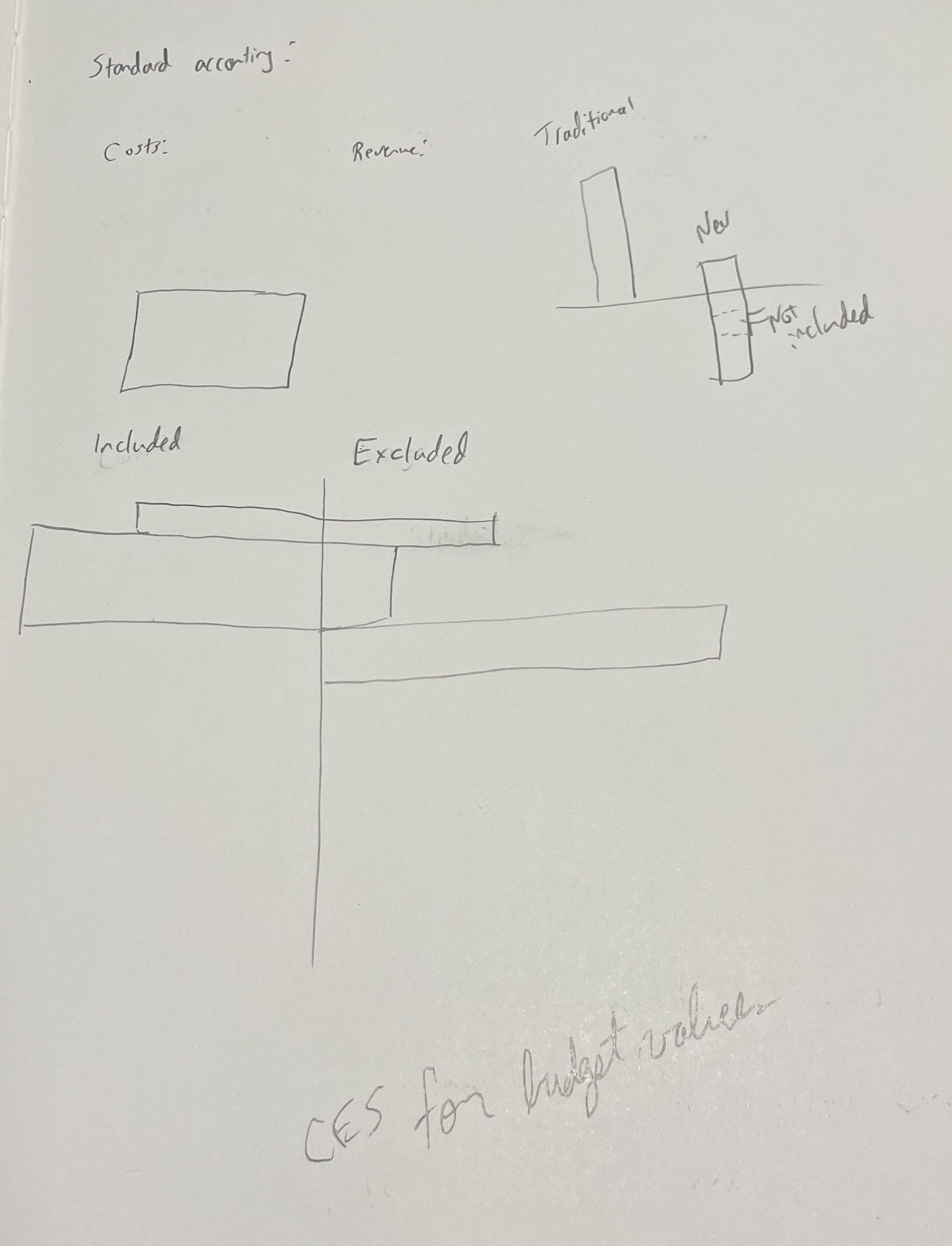
This quick-turn story explained the accounting trick that the Senate used to put a low price tag on the One Big Beautiful Bill Act: switching to a “current policy” rather than a “current law” baseline. Hannah and I completed the story in less than 3 days. The big challenge in this story was explaining the difference between two concepts with extremely similar names, while also keeping the audience’s interest about a dry (but extremely important!) topic.
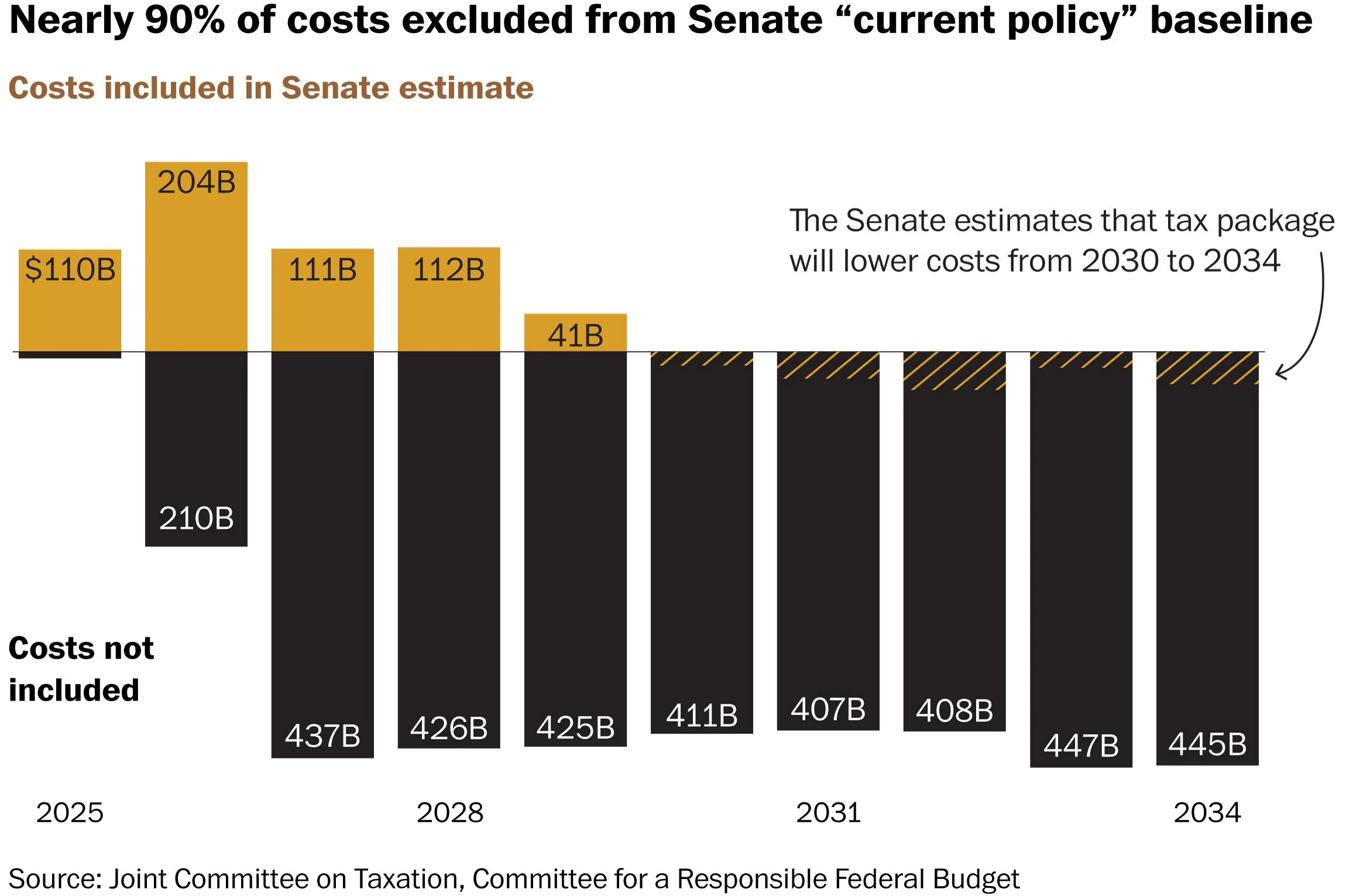

I approached this by referring to the “current law baseline” as the “traditional estimate method” and using a consistent high-contrast color palette across every graphic in the story. This story also features my favorite metaphor from my time at the Post:
“To get a better sense of how the Senate’s “current policy” baseline method works, think about going to the movies. Your ticket costs $10, the same as it did last week. This week, you decide to also buy a bucket of popcorn for $5. How much are you spending? By traditional congressional accounting, you’re spending $15. But by the Senate’s new estimation method, you will only be spending $5. While that accurately represents how much your costs changed from one week to the next, it’s not a good prediction of the amount you will need to pay at checkout.”